The marketing world follows the mantra: ‘A national campaign may win attention, but local relevance wins customers.’
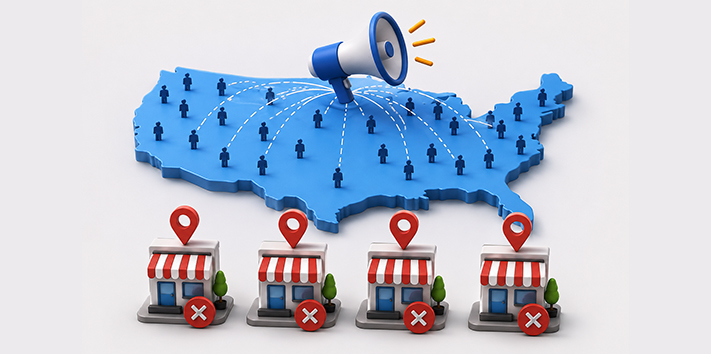
National marketing campaigns have been the backbone of brand-building strategies, driving visibility and customer engagement for decades. They continue to play an important role in creating brand awareness, but are no longer enough to generate consistent local revenue.
Today's consumers follow a different path to purchase. Instead of relying solely on national advertising, they turn to search engines, online reviews, Google Maps, and location-based recommendations to find products and services nearby. So, modern customers make decisions based on local relevance, convenience, and trust.
This shift in consumer behaviour has transformed the way multi-location businesses approach marketing. A one-size-fits-all national campaign cannot cater to the unique preferences, competition, and customer expectations across different locations.
As a result, businesses that fail to strengthen their local digital presence risk losing potential customers to competitors. To solve these challenges, we have built products like GeoBiz Manager and Campnex by Glocal360.ai. These tools help optimise business presence locally and manage bulk ad campaigns across multiple locations.
Top Reasons Why National Campaigns Do Not Work for Hyperlocal Markets
Changing Consumer Behaviour: Surge in Local Search
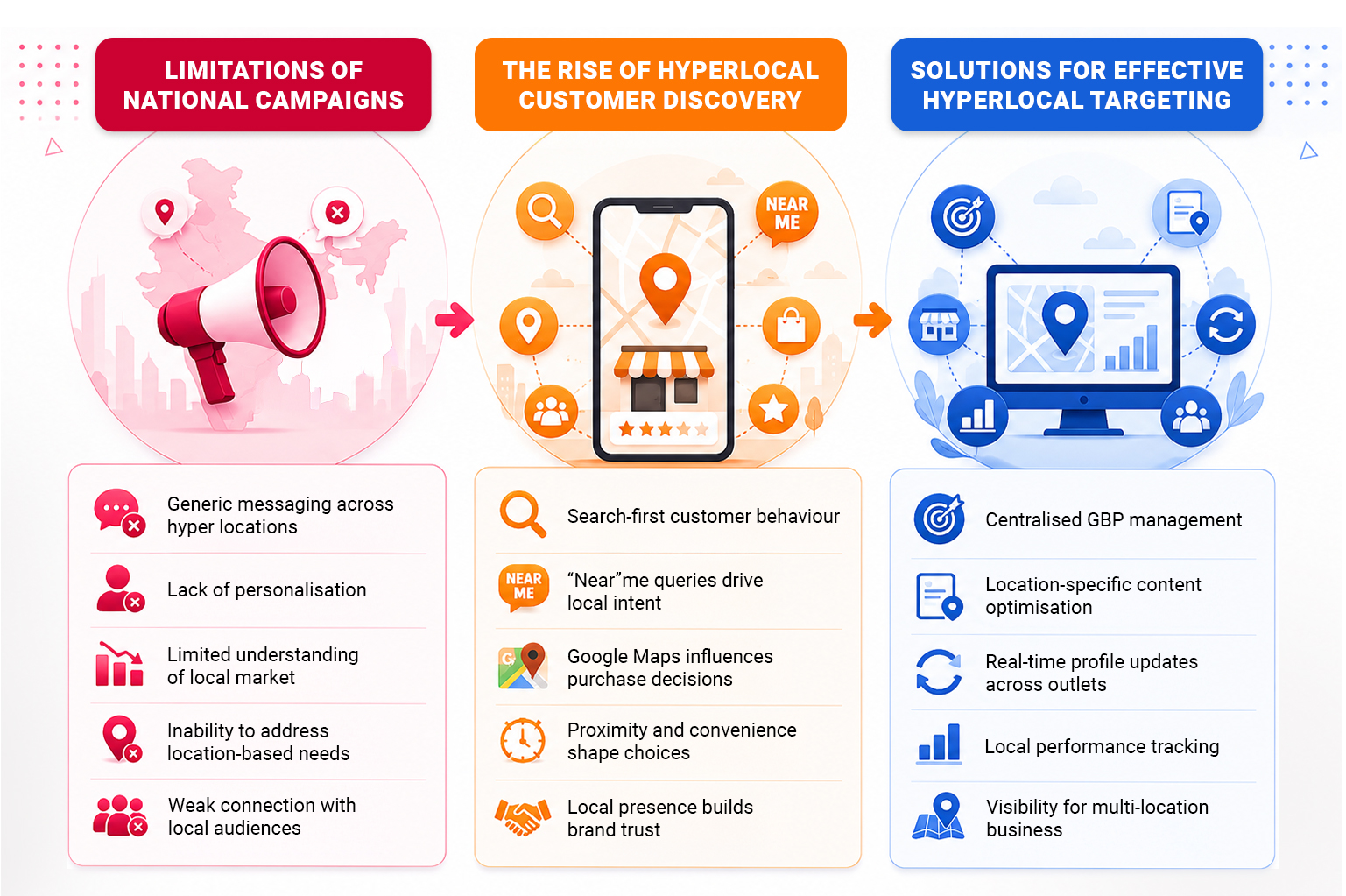
There are some fundamental shifts in how customers interact with a brand's products. Instant gratification, hyper-convenience, and hybrid shopping experiences have redefined consumer expectations. So, local discovery has become a crucial part of the customer buying journey.
Today, customers do not begin with a brand; they begin with a search. They turn to Google Maps or make a simple "near me" query to find the most relevant, accessible, and trusted options within the locality. This explains why local visibility matters.
To solve this crucial challenge, the GeoBiz Manager by Glocal360 helps businesses strengthen their local presence on Google My Business (GMB). The intuitive interface is designed to manage business profile, make content updates, and get strong analytics and reporting insights. It bridges the gap between national scale and local relevance. For multi-location businesses, winning the moment of local discovery builds a strong brand recall value.
One Message Cannot Speak to Every Market
As they say “If you are speaking to everyone, you are speaking to no one”.
This is one of the biggest reasons why national campaigns do not resonate with local markets. Every location has its own cultural identity, customer preferences, and buying behaviours. This means, what appeals in one market can fall flat in another. Local communities appreciate authentic and relevant brand campaigns with hyper personalisation experience.
A crucial bottleneck is understanding market specific challenges to tailor the messaging accordingly. Brands need to focus on local search optimisation, local-level demographic data, and mobile device targeting.
Campnex by Glocal360 provides a powerful solution for this. The tool help execute hyperlocal campaigns across multiple locations at scale. The power lies in simplifying creation, management, and launch of bulk campaigns across Google and Meta. Brands can execute faster campaigns under their budget with a unified dashboard. By adopting hyperlocal ad campaigns, brands can address local nuances and hyper-specific customer needs. It not only builds trust but also improve engagement and sales conversion.
Here is how market difference impacts customer engagement:
|
Market Difference |
Why a Single Message Falls Short |
Impact on Customer Engagement |
Need for Localised Approach |
|---|---|---|---|
|
Cultural Preferences |
|
Brand message do not feel relatable. |
Adapt to local culture and customer preferences in brand messaging. |
|
Customer Pain Points |
|
Fails to address real needs of customers. |
Focus on hyperlocal solutions like geo-targeted advertising and location-specific offers. |
|
Language and Communication |
|
Reduces authenticity and engagement |
Use familiar language and context |
|
Market Behaviour |
|
Limited impact across regions |
Build strategies based on local insights |
Local Search Happens at the Point of Intent
Did you know, 84% of consumers search for local businesses online daily.
Local search intent is an important concept for every multi-location business. It is the key to attract nearby customers to generate foot traffic, improve visibility, and boost sales locally. This cannot be achieved with a big national-level campaign. It requires brands to understand the customer’s intent with every search query. It usually comes with keywords like “near me”. This means the user is looking for a product or service in a particular geographical area. These local searches can be:
- Transactional
- Navigational
- Commercial
- Informational
So, businesses need to optimise for local search intent. Here is how to do it:
|
Optimisation Area |
Key Actions |
Right Tools by Glocal360 |
Impact on Local Search |
|---|---|---|---|
|
GMB Optimisation |
|
GeoBiz
|
|
|
Local Content Strategy |
|
ContentX
|
|
|
Local Marketing Channels |
|
Campnex
|
|
The Rise of Hyperlocal Competition
National campaigns often struggle because they are designed for broad audiences. A message that works at scale may overlook local buying patterns and may not align well with customer expectations. With the rise of hyperlocal competition, businesses are using proximity, personalisation, and audience understanding to gain a competitive edge.
Local businesses have a deeper understanding of hyperlocal audiences. They optimise local business listings, run personalised promotions, and opt for location-specific messaging to outperform generic campaigns. This also helps them capture high-intent “near me” search traffic.
Glocal360 tools help cut through the competition by centralising and automating location-specific marketing across multiple store networks. From GBP management and creative automation to location-specific insights and unified campaign management, it is a boon for businesses looking to expand their local visibility.
Every Outlet Has Its Own Digital Identity
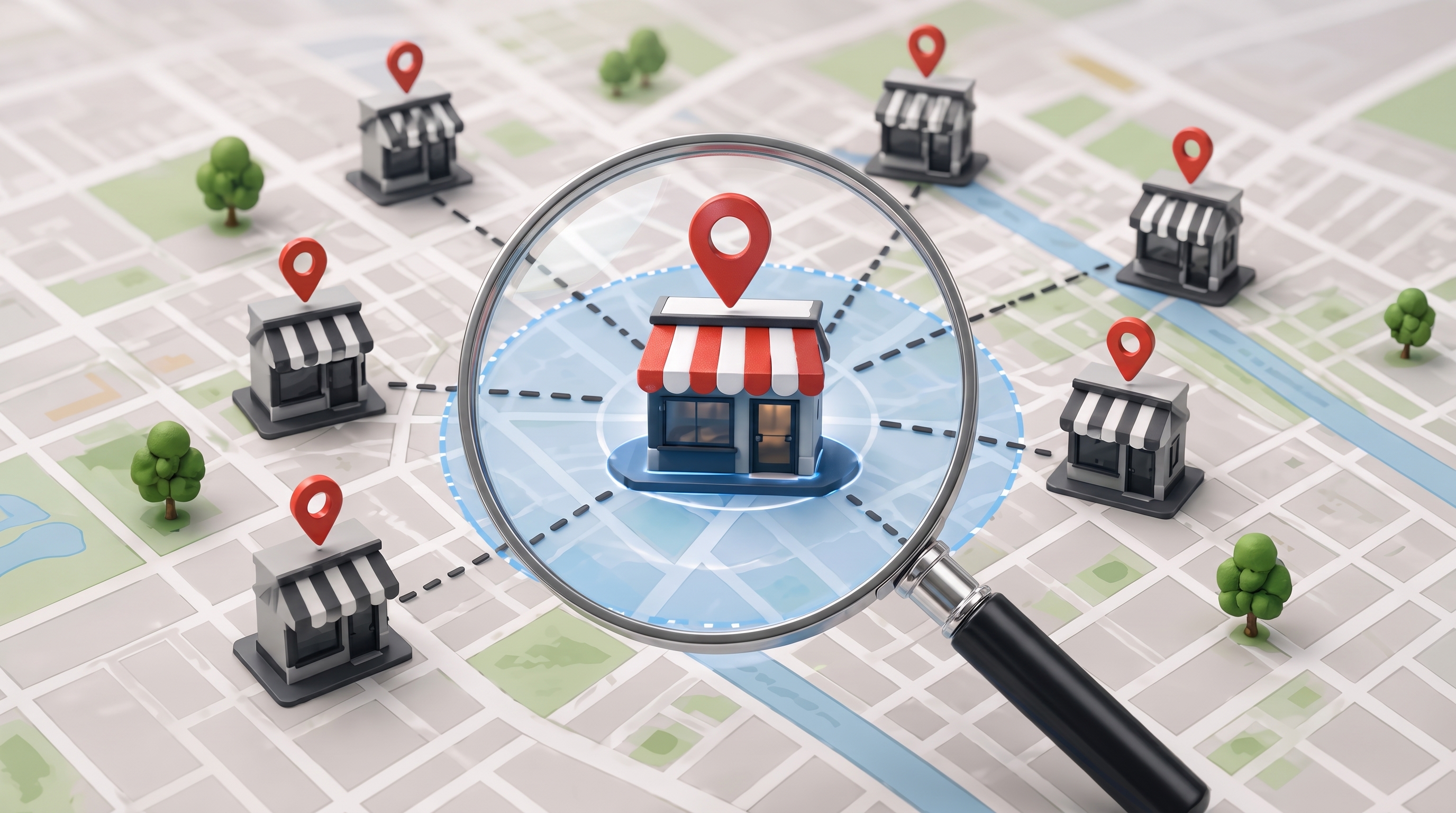
National campaigns by brands do not optimise for location-specific outlet performance. They carry the overall brand story. However, multi-location businesses require specific hyperlocal campaigns to highlight their regional outlets. Every outlet represents a unique digital footprint with its own audience, competition, and local search behaviour. Customers discover individual locations through:
- GMB profiles
- Location pages
- Online reviews
- Local content
- Social media engagement
Each outlet needs to maintain a distinct digital identity with strong local presence that is aligned with the overall brand strategy. Managing these local touchpoints effectively helps businesses improve search visibility, build credibility, and create consistent yet locally relevant.
What are Successful Brands Doing Differently?
Successful brands understand that scale and localisation must work together. They do not rely only on broad national campaigns. Their focus is on building strong brand recall value with local execution. They maintain unified messaging but gives flexibility to regional outlets to address regional customer needs. It is done by monitoring individual location performance, investing in local search visibility, and using actionable insights.
The Future of Marketing is "National Brand, Local Experience"
The future of multi-location marketing lies in creating seamless experiences that combine national recognition with local relevance. These are the things shaping brand’s connection with customers:
- Omnichannel customer journeys
- AI-powered localisation
- Hyper-personalisation
- Predictive analytics
Glocal360.ai help businesses achieve this balance by enabling smarter location-wise campaign management, local search optimisation, and data-driven decision-making across multiple outlets. It helps businesses improve visibility, build stronger customer relationships, and drive sustainable growth in every market.
If your customers are local, your marketing should know the neighbourhood. Let’s connect.